How a Bicycle Accident Lawyer Supports Recovery Beyond the Courtroom
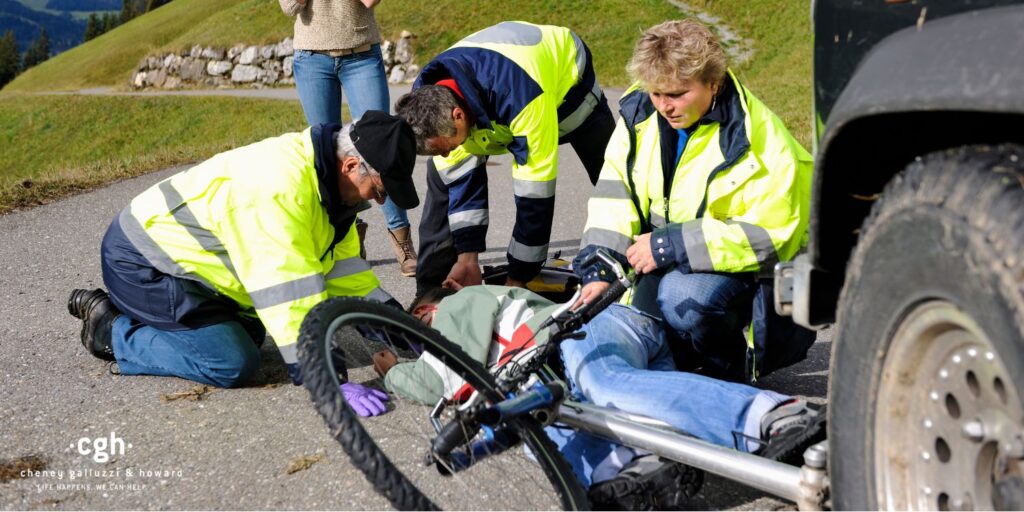
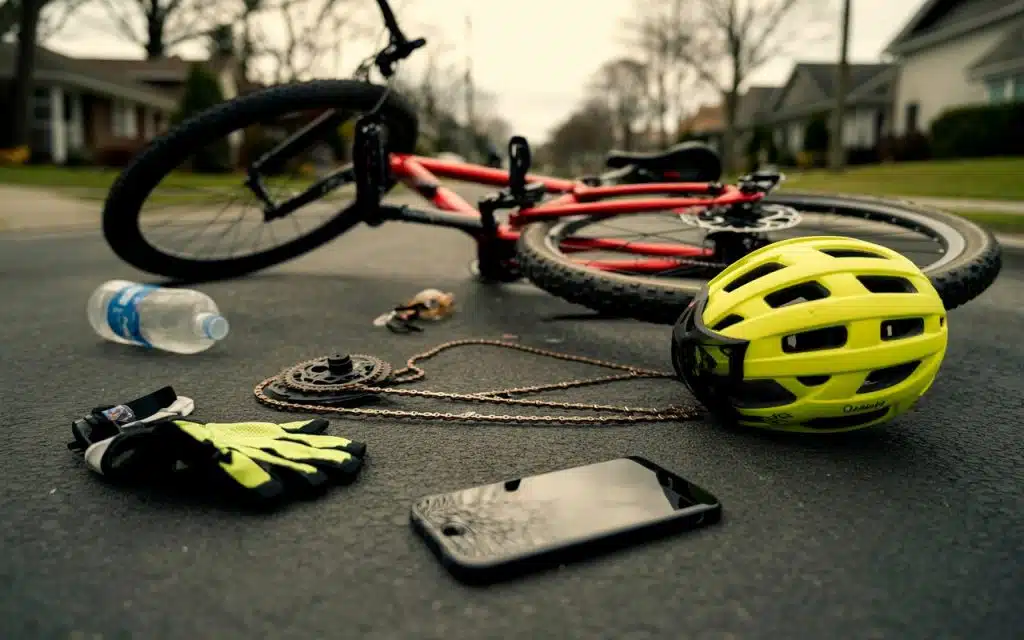

A serious bike crash rarely ends at the intersection where it happened. For most injured cyclists, that moment is only the start of a much longer disruption. There is the obvious pain, the broken bones, the road rash, the concussion symptoms that show up three days later. Then there are the practical losses that can quietly become just as heavy: time away from work, canceled plans, childcare problems, mounting medical bills, insurance calls at dinner, and the uneasy feeling that nobody involved really understands what a cyclist needs to get life back on track.
That is why the work of a Bicycle Accident Lawyer often extends far beyond filing claims and arguing liability. Good legal representation does matter in court, and sometimes in settlement conferences or arbitration, but many of the most meaningful parts of the job happen before any hearing is scheduled. A strong lawyer helps restore order when a client's life has been knocked sideways. They connect evidence to treatment, paperwork to timing, and financial pressure to a realistic path forward. In many cases, they become one of the few people in the process who is looking at the full picture rather than one narrow piece of it.
Cyclists face a distinct set of challenges after a collision, and those challenges are often misunderstood by drivers, insurers, and even some medical providers. The rider may have been legally visible and still get blamed for "coming out of nowhere." They may have soft tissue injuries that look minor in photographs but interfere with sleep, work, balance, and confidence for months. Their bicycle, which may have cost several thousand dollars and been fitted over time to their body, can be dismissed as if it were just a piece of casual recreation equipment. A lawyer who regularly handles bicycle cases knows these details matter because recovery is not only about proving fault. It is about rebuilding function, routine, and stability.
The first days after a crash are often disorganized
The period immediately after a bicycle accident is chaotic in a way that surprises even very organized people. A rider might leave the scene in an ambulance without taking photographs of the damaged bike. A family member may collect belongings from the roadside and unintentionally throw away a torn jersey or cracked helmet that later becomes evidence. An insurance adjuster may call within 24 to 48 hours, before the cyclist has had a full medical evaluation, asking for a recorded statement that frames the event in ways the rider does not yet understand.
This is one place where a Bicycle Accident Lawyer provides value that has little to do with courtroom performance. Early guidance can prevent avoidable mistakes. Preserving the bicycle in its post-collision condition, obtaining surveillance footage before it is overwritten, locating witnesses while memories are still fresh, and making sure injury complaints are documented clearly in medical records can all strengthen a claim. Just as important, that guidance reduces stress. When clients know what to save, whom to call, and what not to say prematurely, they stop reacting and start making informed decisions.
There is also a human element here that gets overlooked. Many injured cyclists are used to self-reliance. They ride to work, train before dawn, fix their own flats, and push through discomfort. After a crash, that mindset can work against them. They may minimize symptoms or delay treatment because they are accustomed to toughness. A lawyer with experience in these cases often recognizes that pattern early. They ask practical questions that prompt better follow-through: Are you having headaches when you use screens? Can you lift your bike onto a rack? Are you https://jaidencdht670.northcrestbrief.com/posts/bicycle-accident-lawyer-insights-for-commuter-cyclist-accidents waking up at night from shoulder pain? Can you safely commute without driving right now? Those details shape not only the legal claim but the recovery plan itself.
Medical coordination is often as important as legal strategy
A good lawyer is not a doctor and should never pretend to be one. Still, experienced counsel often helps clients navigate the medical side of recovery more effectively. That does not mean steering someone toward exaggerated treatment or unnecessary providers. It means helping them understand why continuity of care, clear documentation, and appropriate referrals matter.
Bicycle crashes produce a broad range of injuries, from fractures and dental trauma to ligament damage, traumatic brain injuries, and stubborn overuse-type pain that is suddenly magnified by impact. Some symptoms develop slowly. A rider may walk away from a crash thinking they were lucky, then realize a week later that they cannot turn their neck properly or tolerate bright light. If there are gaps in treatment, insurers often use them to argue that the injuries were minor or unrelated. A lawyer can explain this dynamic in plain terms so the client understands that following medical advice is not just about the claim. It is about giving recovery a fair chance.
In practice, this support can be very concrete. A lawyer's office may help gather records from urgent care, orthopedics, physical therapy, radiology, and primary care so the client is not chasing paperwork while injured. They may coordinate with providers regarding billing liens or delayed payment arrangements when health insurance is limited. They may help identify whether a specialist evaluation is worth pursuing when symptoms persist, especially in cases involving post-concussion issues or hand numbness that interferes with braking and shifting. None of that is glamorous legal work, but it can materially improve a client's experience.
I have seen cases where the difference between a messy six-month recovery and a more stable one came down to small administrative moves. One cyclist, hit by a turning vehicle, had a fractured wrist and a shoulder injury that looked manageable at first. The real problem was that she was a dental hygienist, and even after the cast came off, grip strength and shoulder positioning made full days of work impossible. Her lawyer helped organize the records that showed exactly how the injury affected her profession, obtained statements from her treating providers, and documented her reduced schedule. That support did not heal her shoulder, but it made her financial recovery more accurate and far less contentious.
Insurance pressure can derail healing if nobody buffers it
Most injured cyclists underestimate how draining insurance communication can become. The issue is not only whether a claim gets paid. It is the sheer volume of repeated questions, forms, requests for authorizations, property damage disputes, and attempts to narrow the claim before the medical picture is complete. When a person is also trying to manage pain, sleep disruption, transportation issues, and work absences, those contacts are more than inconvenient. They can become a serious obstacle to healing.
A Bicycle Accident Lawyer often serves as that buffer. Once representation begins, the insurer typically communicates through counsel rather than directly with the injured person. That shift matters. It gives the client room to focus on treatment and daily life instead of fielding calls that can feel adversarial or manipulative. It also reduces the risk of offhand statements being taken out of context. Something as simple as saying "I'm doing a little better" can later be used to minimize ongoing symptoms.
There is another point that deserves attention. Insurers tend to evaluate claims through categories and software fields, while cyclists live with the consequences in much more specific terms. A claims file may say "shoulder strain, bike damaged, out of work two weeks." Real life may look like this: the client cannot carry groceries upstairs, cannot pick up a toddler safely, cannot commute the way they used to, sold a race entry they had trained for all season, and now feels panicked when a car passes too closely. A lawyer's role is to translate those lived consequences into evidence that insurers, judges, and defense counsel can understand.
That translation matters because the strongest claims are not just emotional. They are documented. If a client is missing freelance jobs because they cannot travel between appointments, the lawyer may gather canceled contracts and prior earning history. If a carbon frame cracked and the fit components were custom, the lawyer may obtain repair assessments or replacement values from a reputable shop rather than rely on a generic online estimate. If a client's concussion symptoms are affecting computer work, the lawyer may tie that limitation to treatment notes and payroll records. Recovery gets stronger when facts are assembled in a way that reflects real loss.
A bicycle case involves more than the rider's body
People who do not ride regularly often underestimate what is lost when a bike is damaged or when a rider becomes afraid to get back on one. For many clients, cycling is transportation, exercise, stress relief, social life, and identity all at once. Losing access to that part of life can be surprisingly destabilizing, especially in cities where riding is the most efficient way to get to work or school.
A lawyer who understands cycling culture tends to approach these losses differently. They know that a bicycle is not interchangeable with any two-wheeled item at a big-box store. A commuter setup may involve lights, a rack, weather gear, panniers, and carefully chosen tires. A road bike may have been professionally fitted to prevent pain and improve efficiency. An adaptive cycle may be essential to a rider with mobility limitations. Replacement value, fit costs, and accessory losses all deserve attention. The same goes for apparel and safety gear. A cracked helmet is not a minor side issue. It is evidence, and it is also an immediate expense.
The psychological side can be even harder to articulate. Some riders develop anxiety after a crash, particularly if the collision involved a close pass, a right hook, or a driver who denied seeing them. They may be physically able to ride again but unwilling to do so in traffic. That reluctance is not weakness. It is a common aftermath of trauma. When appropriate, a thoughtful lawyer will encourage clients to discuss these effects with their medical providers so they are addressed rather than buried. Mental health treatment, when genuinely needed, is part of recovery, not a side note.
Work, money, and family life often become the center of the case
For many adults, the most immediate crisis after a crash is not the injury itself. It is how the injury collides with ordinary responsibilities. Missing a paycheck can be catastrophic. A parent who cannot drive because of a concussion may suddenly need help with every school pickup. A self-employed contractor with a fractured clavicle may lose jobs that will not come back. A graduate student may miss fieldwork or teaching obligations and fall behind in ways that affect future earning capacity.
This is where legal support becomes deeply practical. A lawyer can help identify losses that clients would otherwise overlook or assume are not compensable. Lost wages are the obvious example, but not the only one. Reduced earning capacity, used sick leave, out-of-pocket rideshare costs, home assistance, and replacement services can all become relevant depending on the facts and local law. The point is not to stretch the claim beyond what is defensible. It is to make sure the full economic impact is not hidden simply because the client is too overwhelmed to inventory it.
One of the more common mistakes injured cyclists make is assuming that if they kept working, there is no wage loss to document. That is often wrong. Some people keep working through pain because they have no choice, but they reduce hours, turn down overtime, miss business development opportunities, or perform at a lower level that has measurable effects. A lawyer who asks the right questions can uncover these losses and support them with records rather than guesswork.
Family strain also deserves more attention than it usually gets. Spouses and partners frequently become transportation providers, appointment schedulers, meal preparers, and emotional shock absorbers, all while maintaining their own work obligations. If the injured cyclist is normally the one who handles school drop-offs or shopping, the household has to rebalance overnight. While not every disruption becomes a separate legal category, recognizing these burdens helps build a more honest account of what the accident changed.
Cases settle better when the groundwork is careful
There is a persistent myth that lawyers either rush toward court or posture dramatically for leverage. The better reality, in many successful bicycle cases, is quieter and more methodical. Strong resolutions usually come from careful groundwork: credible medical evidence, a clear liability picture, realistic valuation, and timing that respects the client's treatment course.
Settling too early is one of the greatest risks in injury claims. A rider may want the whole thing over with, especially when bills are arriving and stress is high. But if treatment is still evolving, future needs may not yet be visible. A hand injury that seems minor may later require occupational therapy. A knee that felt bruised may prove unstable when the client tries to return to riding or physical work. A concussion may linger beyond the first optimistic prognosis. One of the best non-courtroom services a lawyer provides is the patience to say, professionally and firmly, "We are not ready to value this yet."
That does not mean every case should drag on. Delay for its own sake helps nobody. There is a balance. The lawyer has to judge when enough is known to present a fair demand and when waiting will only add frustration without improving clarity. That judgment comes from experience, and it is especially important in bike cases where injuries can seem deceptively modest at first.
When settlement discussions do occur, the lawyer's role is often to present the story of the injury in a way that neither exaggerates nor understates. Defense counsel and insurers respond better to precision than theater. They need to see how the crash happened, why the cyclist's conduct was reasonable, what the treatment showed, where the money losses sit, and how daily life changed. A polished demand package can make a substantial difference because it turns a pile of disconnected records into a coherent, credible claim.
Not every helpful lawyer-client conversation is legal
Some of the most valuable conversations after a bike crash are about decisions that are only partly legal. Should the client post about the crash on social media? Usually not much, and certainly not in a way that invites misinterpretation. Should they repair the bike right away? Often the answer is to preserve it until photographs and inspections are complete, unless there is a strong reason to move faster. Should they return to riding as soon as possible? That depends on medical advice, but also on confidence, route safety, and whether returning too soon will worsen symptoms.
A seasoned Bicycle Accident Lawyer tends to have practical instincts about these issues because they have seen the downstream consequences. They know how often clients regret trying to "be normal" too quickly. They know that a single cheerful photo from a family event can be used unfairly to suggest someone is fully recovered. They know that a damaged helmet stored in a garage corner may later become important. These are not courtroom insights. They are experience-based recovery guidance.
Sometimes the support is simply about perspective. Injured clients often feel guilty, impatient, or embarrassed by the extent of their disruption. They compare themselves to the version of themselves who would have ridden home after a flat tire in the rain and still made dinner. A good lawyer does not act as a therapist, but they can normalize the practical pace of a claim and encourage clients to give their bodies and routines the time they require.
Choosing counsel with the right lens matters
Not every personal injury lawyer is the right fit for a bicycle case. The legal principles may overlap with car crash claims, but the facts, assumptions, and damages often differ. Lawyers who understand how cyclists move through traffic, what common collision patterns look like, and how bike equipment and fit affect value will usually spot issues that others miss.
The right lawyer also knows where caution is needed. Cyclists are not automatically free from fault, and honest counsel should say that clearly. Visibility, lane position, signaling, roadway conditions, and local traffic rules may all affect a case. Some collisions occur in gray areas where both sides tell plausible stories. A professional lawyer will not promise certainty where none exists. What they should do is investigate thoroughly and explain risk in terms the client can use.
The best relationships in these cases are usually built on clear communication. Clients should understand what stage the case is in, what records are still needed, what barriers exist, and why certain decisions are being made. Recovery is hard enough without mystery layered on top of it.
What injured cyclists often need most is not a speech about fighting. They need someone to organize facts, absorb pressure, protect value, and respect the reality that they are trying to heal while the rest of life keeps moving. That is where a strong Bicycle Accident Lawyer proves their worth. Yes, they may negotiate aggressively or litigate when necessary. But the deeper service is steadier than that. It is the work of helping a person move from disruption toward footing again, one careful decision at a time.
CGH Injury Lawyers
2701 Lawrence St Suite 201
Denver, CO 80205, United States
Phone: +1 720-669-8062
FAQ About Bicycle Accident Lawyer
Who is at fault if a car hits a bicycle?
Fault depends on the evidence and the traffic rules that applied to the collision. A driver, cyclist, or another party may share responsibility. Police reports, witness accounts, video, and the physical evidence can help establish what happened. A collision with a car does not automatically determine legal fault.
Can you sue someone for hitting you on a bike?
You may have a claim when another person's negligent conduct causes your injuries and losses. The available evidence, applicable deadlines, insurance coverage, and any shared fault affect your options. A lawyer can review the circumstances and explain whether an insurance claim or lawsuit is appropriate; compensation is not guaranteed.
What percentage does an injury lawyer usually take?
There is no single percentage that applies to every injury case. Many lawyers use a contingency fee based on a share of the recovery, with the terms stated in a written agreement. Ask how the percentage is calculated, whether it changes during litigation, and how case expenses are handled before signing.